
Why They Did it.

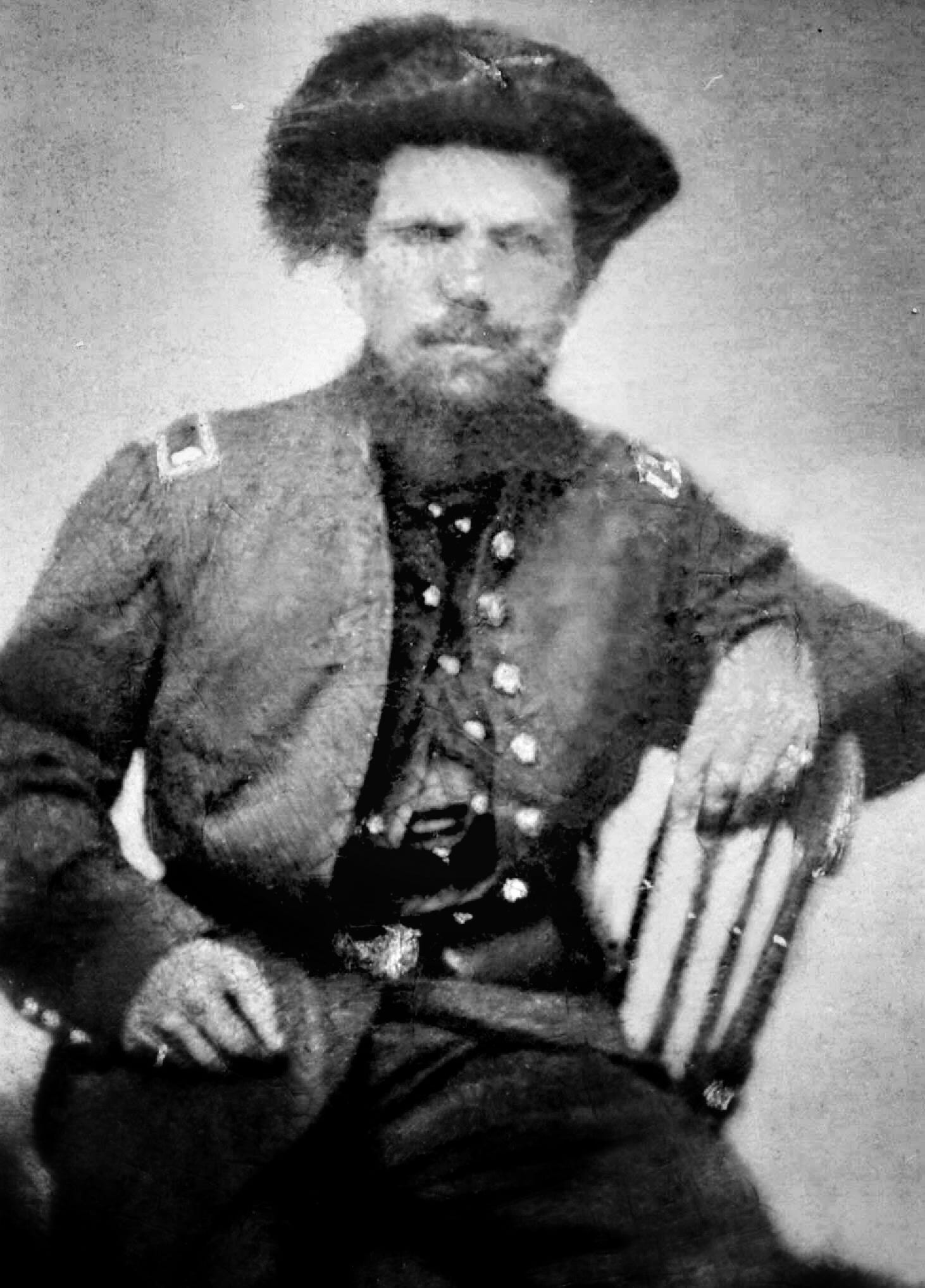
Memorial Day commemorates those who died in the service of the nation. Many American families have stories and memories of those lost lives. My grandmother often showed me a treasured tin-type of her great-uncle Edward, killed in action in a little-known engagement in Northern Mississippi in 1864.
Captain Edward Ball was born in Ireland and brought to the United States as a child in an era when the Irish were a despised minority. His father was a farmer in Richland County Illinois, where, in 1862, Edward enlisted in the 6th Illinois Cavalry Regiment. His peers recognized his leadership ability and elected him as one of their officers. Undoubtedly. Edward's regard for his Regiment, his neighbors, and his country, outweighed any thought of “what's in it for me.”
Some years ago I found an account by Dr William Henry Corbusier, who wrote of wrote of Edward Ball's last hours in his memoir, Soldier, Surgeon, Scholar.
Part of the [Sixth Illinois Cavalry] Regiment was in bivouac at Colliersville [Collierville], Tennessee, on the Memphis and Charleston Railroad while General A. J Smith was returning from his unsuccessful Guntown trip. Patrols were out every morning on the different roads, and I, having little to do received permission to accompany one of them. I spent the night with Captain Edward Ball of Company E, Sixth Illinois Cavalry, and early the next morning, about 5 a.m., July 23rd, 1864, we started, having a detail of ten men from his company and Quartermaster Sergeant Pollock with us. We could just see the road as we wended our way south. A dog ran out about a quarter of a mile down, indicating that men were watching us. The Captain was very much depressed and said he had a bad night and thought much about his past life. We crossed a small stream on a bridge at the first break of day and entered a more densely wooded stretch of road which led to the Coldwater. As we reached the latter, the Captain said to me, "When I was here the other day, I thought what a good place for guerrillas to surprise us," and then turning to his men, he ordered, "Unsling carbines." The words were scarcely spoken when we heard in the clear morning air the order, "Fire," which came from the other side of the creek. Then there were reports of guns and the whizzing of bullets and slugs causing our horses to plunge forward. Captain Ball's horse made only one jump, the Captain swayed and both he and the horse went down .... Captain Ball's body was brought in and I found that he had received a bullet and a large number of slugs in his left side, and his horse, which was also killed, had received many bullets and slugs.”
So he served, and died, and now rests in a modest grave in Olney, Illinois.
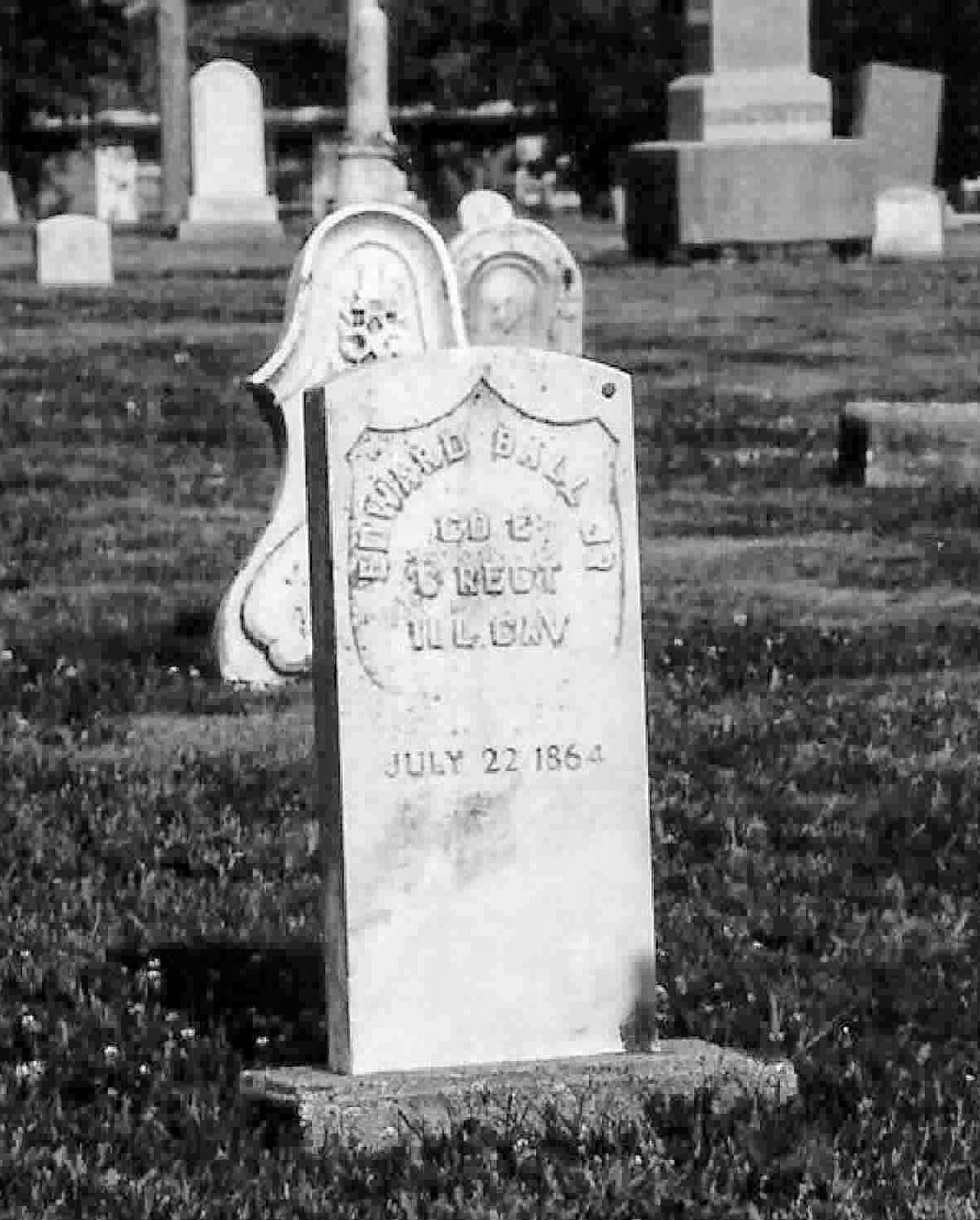
It's important we remember soldiers like Edward Ball who served, not for what was in it for them, but because it was asked of them.
For the most part they were little known and uncelebrated. My grandmother kept her uncle's memory alive and passed it on to me. And that cherished tin-type and his story, live with me still.
On this--as on recent Memorial Days--I think of Edward Ball and others in my family who perished serving our country: a great uncle killed in France in 1918, my father's cousin killed on Saipan in 1944, and friends and shipmates lost in Vietnam. They deserve to be remembered. They deserve leaders who understand why they served, and gave their lives; for their comrades, for their families, and so their country and its government might long endure.
An edited version of this essay was published in The Carlisle (PA) Sentinel on May 18th, 2024.